Search "best paint protection for my car" and you'll find paint protection film and ceramic coating recommended in almost the same breath, sometimes even in the same sentence. That overlap is where the confusion starts.
Both of these automotive services fall under the paint protection umbrella, but they're built to solve two different problems, and paying for the wrong one means you're still not covered against the damage you were actually trying to prevent.
What Is Paint Protection Film?
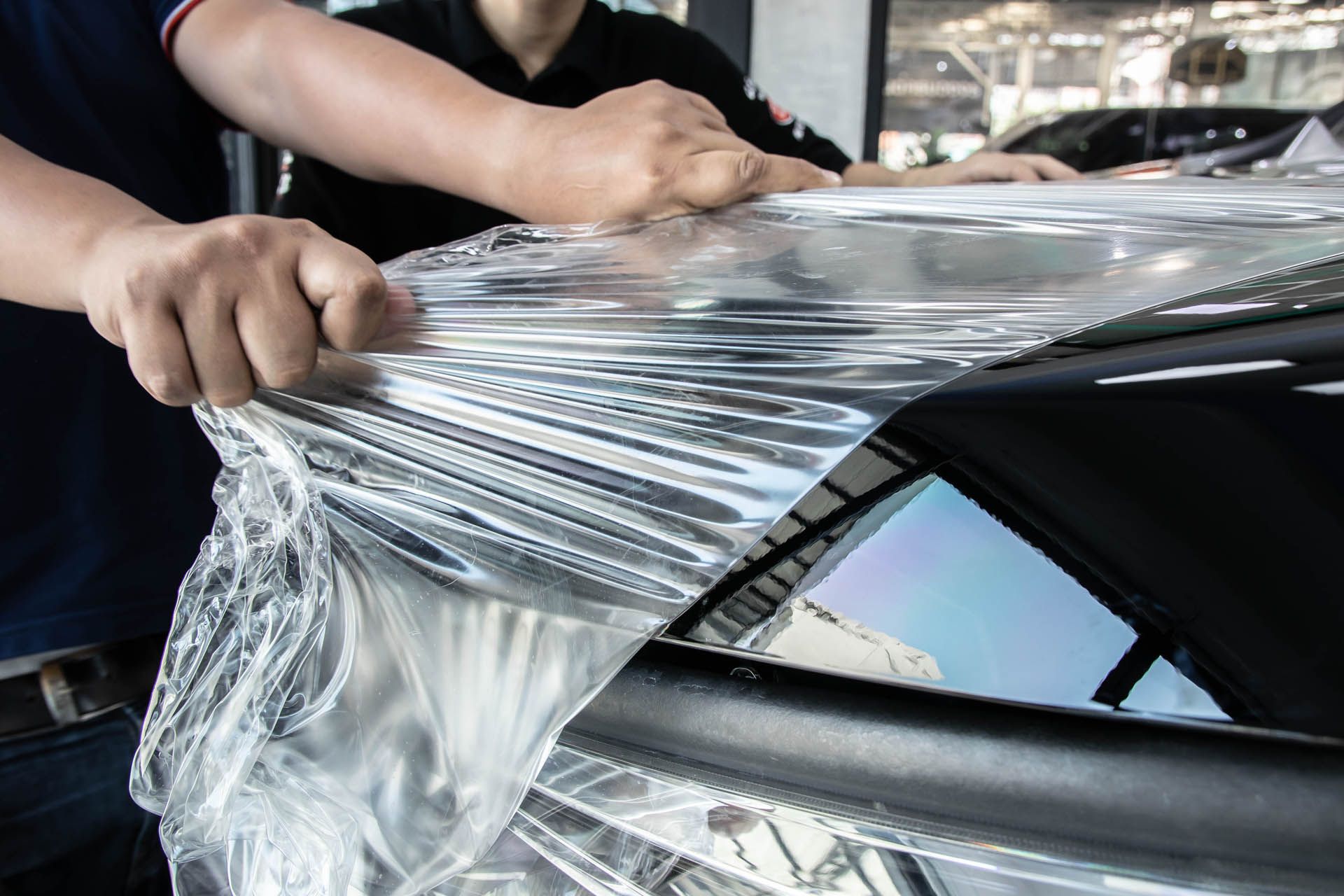
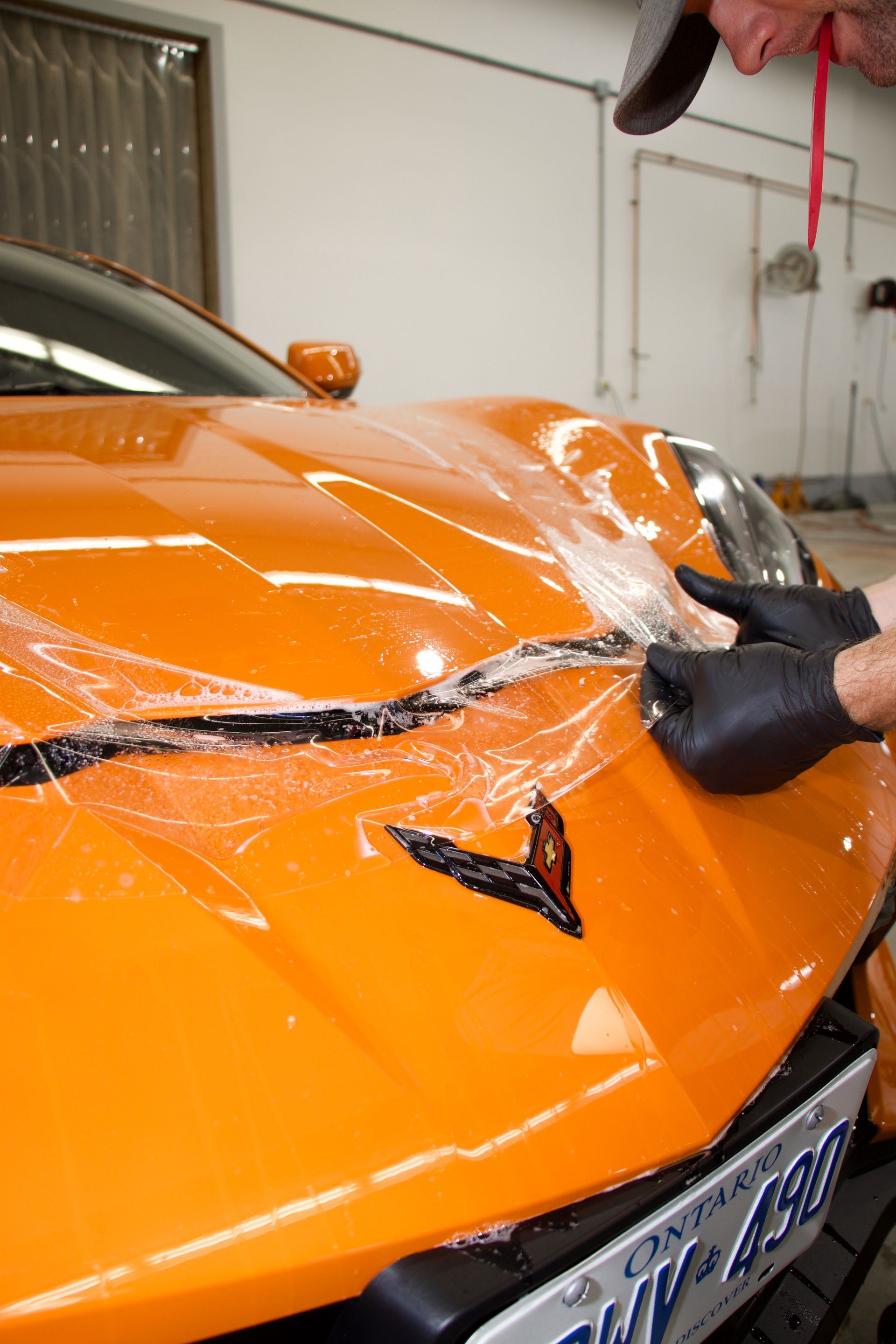
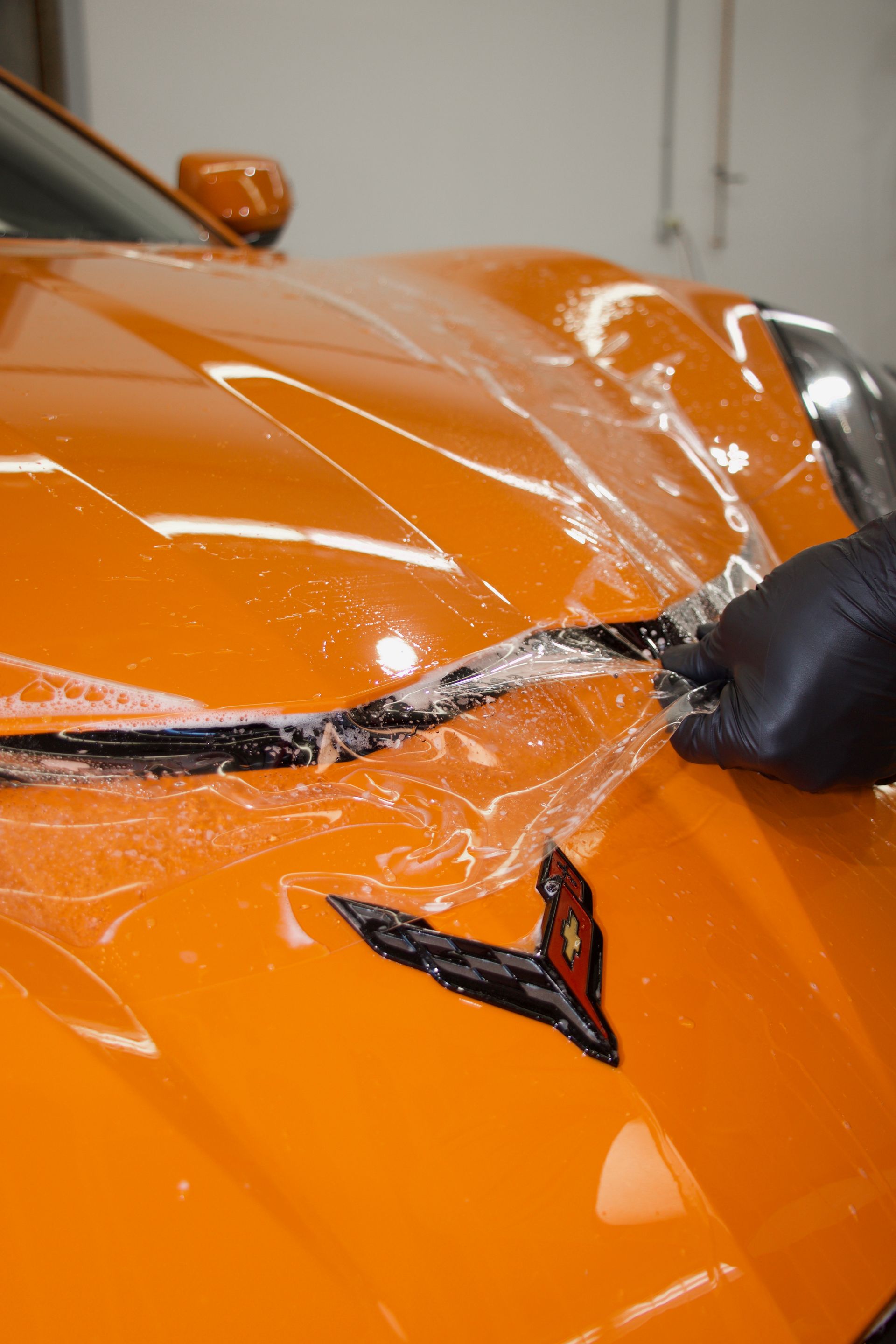
Paint protection film is a clear, physical layer applied to your vehicle's exterior, most commonly the front bumper, hood, mirrors, and other high-impact areas. It acts as a barrier against rock chips, road debris, and light scratches, taking the hit so your factory paint underneath doesn't have to. Modern film is also self-healing, meaning light swirl marks in the film's surface can smooth out with heat from the sun or warm water, keeping it looking clean well past the day it's installed.
What Is Ceramic Coating?
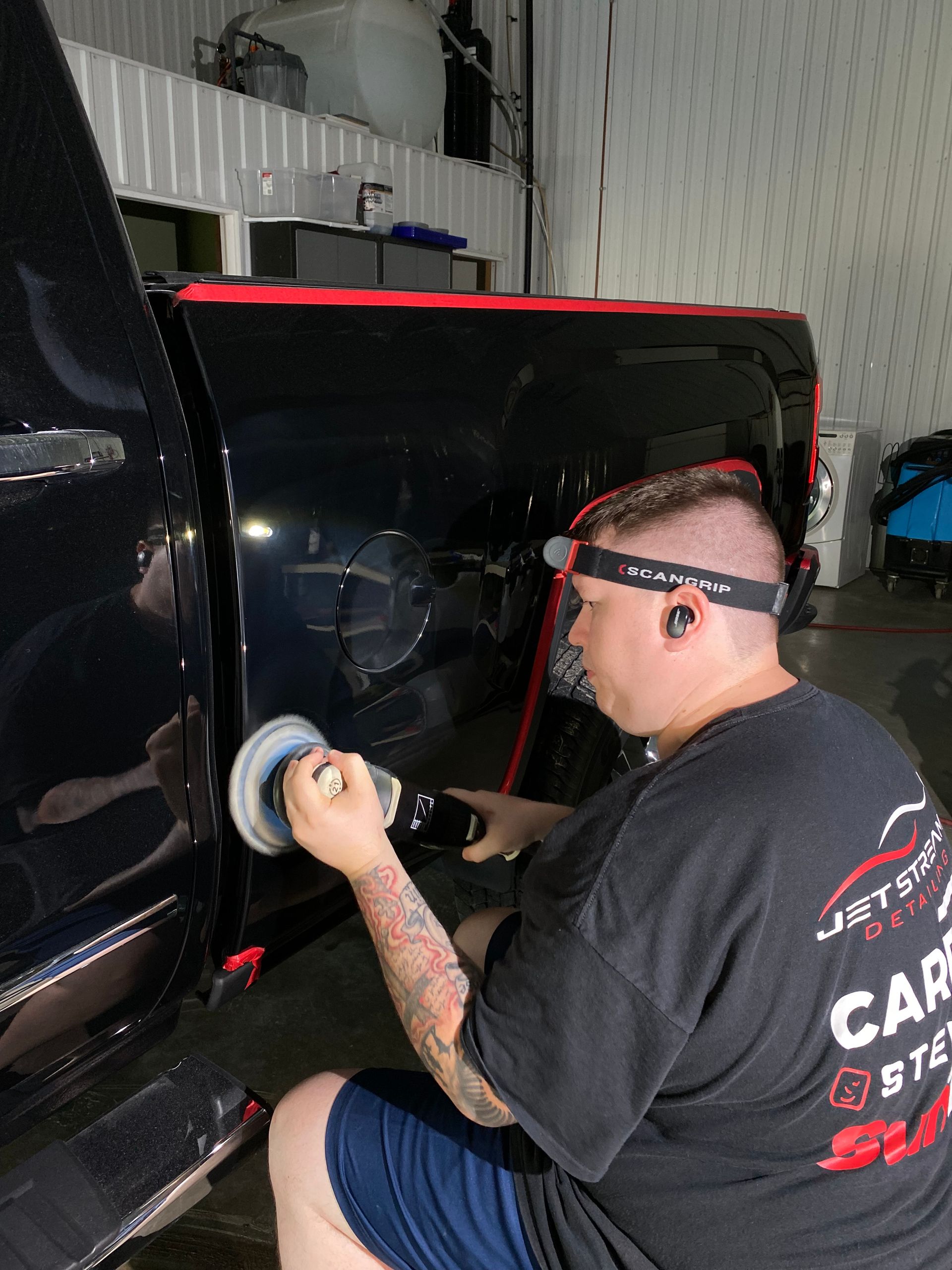
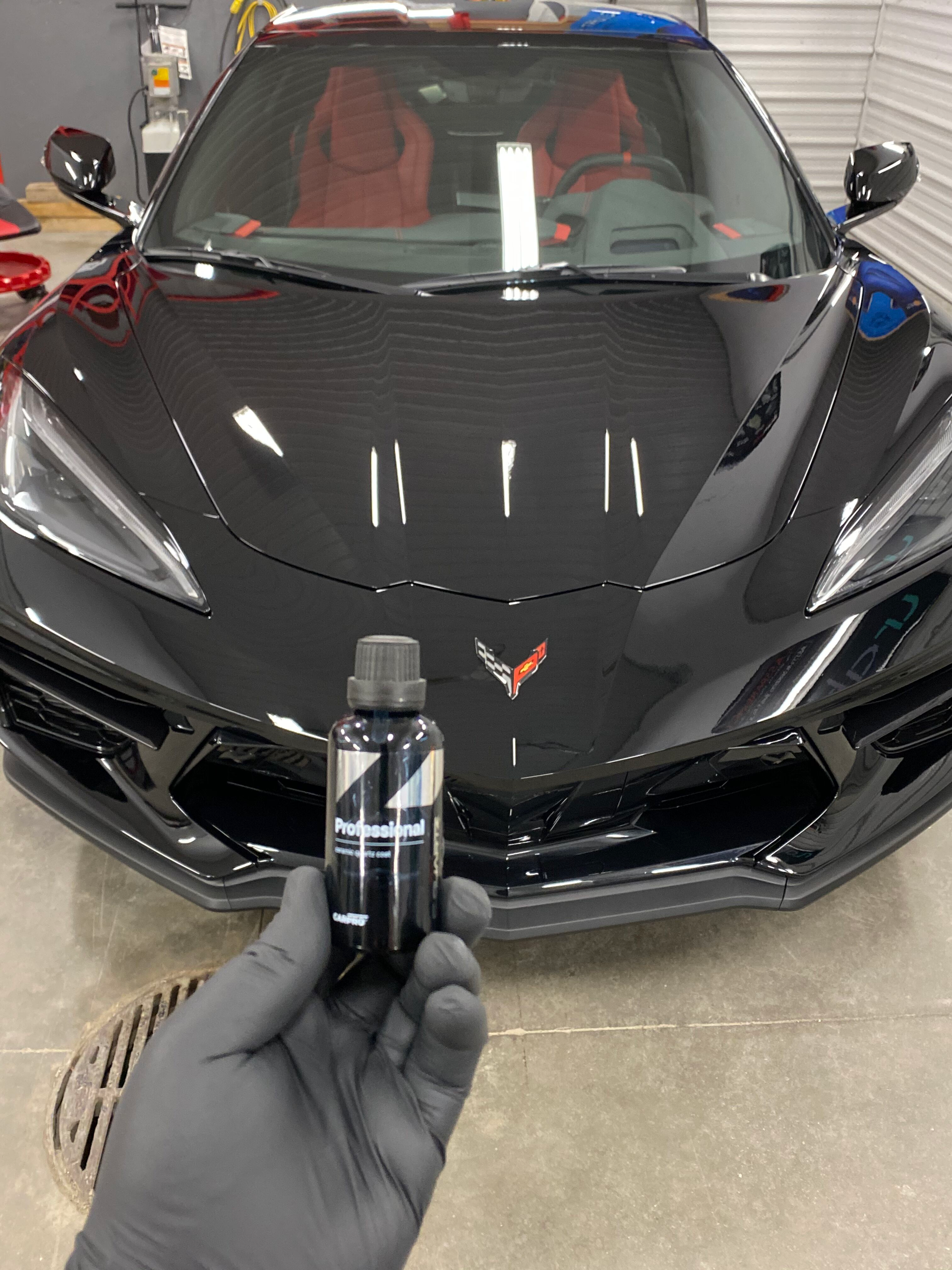
Ceramic coating is a liquid application that bonds to your paint and creates a hydrophobic, glossy layer on top of it. Instead of stopping physical impacts, it makes your vehicle noticeably easier to wash, helps water and grime release from the surface, and adds a deeper, richer shine than wax or sealant ever could. It's not a substitute for film, since it won't stop a rock chip or scratch on its own, no matter how well it's applied.
Differences Between PPF and Ceramic Coating
Physical Protection vs. Surface Enhancement
This is the core difference. Film is a physical barrier that absorbs impact damage before it ever reaches your paint. Ceramic coating is a surface treatment that improves gloss and makes maintenance easier, but it won't stop a chip, scratch, or scrape the way film will.
Where Each One Gets Applied
Film usually goes on the specific panels that take the most abuse, like the front end, since covering the entire vehicle in film gets expensive fast. Ceramic coating is typically applied across the whole exterior, since its job is enhancing and protecting the finish everywhere, not just the high-impact zones that see the worst of the damage.
How Long Each One Lasts
Our paint protection film carries a 10-year warranty. Ceramic coating packages vary depending on the formula and application selected, with some holding up for a couple of years and others built to last significantly longer with proper maintenance. Neither product is permanent, but film is generally the longer-term investment of the two.

Which Should You Choose?
Honestly, a lot of our customers end up choosing both. Film handles the areas most exposed to impact, and ceramic coating goes over the rest of the vehicle, plus on top of the film itself, for a combined setup that covers gloss, ease of maintenance, and impact protection all at once. If you're working with a tighter budget and can only start with one, we usually recommend film on the front end first, since that's where the most expensive damage tends to happen sooner rather than later.
If you're trying to figure out the right combination for your vehicle, get in touch with our team for a quote.